






As World Music Therapy Week kicks off this Friday the 10th, Dr. Shane Cassidy, founder of the Neurolinks clinic in Sandyford, Dublin, is highlighting a field that is attracting growing attention in Irish healthcare and internationally.
“One of the most common misconceptions is that music therapy is simply about listening to music for enjoyment or relaxation,” he says. “While those experiences can be part of it, the primary aim is therapeutic, supporting meaningful, functional outcomes. Music therapy brings together the art of music with the science of clinical practice to support recovery and development.”
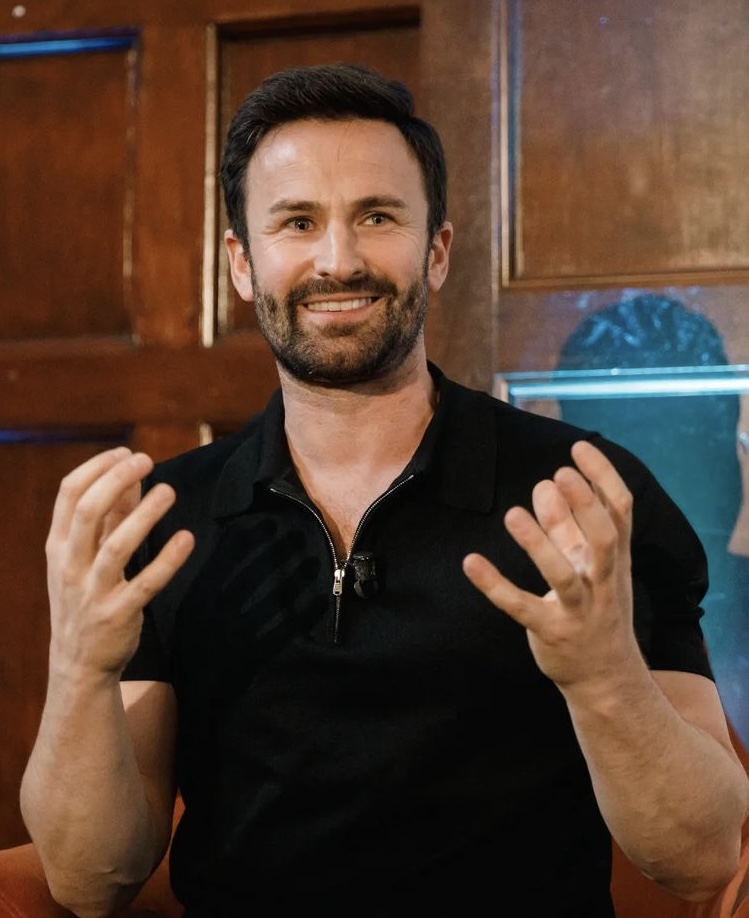
“People often understand the emotional impact of music, but not necessarily its therapeutic potential,” Cassidy adds. “Music therapy bridges that gap.”
“Within music therapy practice, we draw on specialised systems such as Neurologic Music Therapy, a structured, neuroscience-informed system of clinical techniques. At Neurolinks, we use these techniques where appropriate to support (re)habilitation and real functional change.”
Dr Cassidy is the founder and CEO of Neurolinks, a Leinster-based service working with children and adults living with neurological conditions, neurodivergent clients, and individuals accessing support in mental health and wellbeing settings. Neurolinks’ work spans clinic settings and outreach partnerships with hospitals and other organisations, while Dr Cassidy is a senior music therapist with completed doctoral research through the University of Limerick examining the impact of Neurologic Music Therapy techniques on gait and mood in acquired brain injury in collaboration with the National Rehabilitation Hospital.

In Ireland, professional music therapists qualify through approved master’s level training recognised by the Irish Association of Creative Arts Therapists. Neurologic Music Therapy is an additional specialist training and licensed professional designation, with its own standards and defined system of clinical techniques.
As one example of how music therapy is applied in clinical settings, Neurologic Music Therapy uses structured musical techniques to engage multiple areas of the brain at once. In practice, this may involve rhythmic cueing to support gait and coordination, melody, rhythm and vocal patterning to support speech and communication, or structured musical exercises to target attention and executive functioning. Research has shown that rhythmic auditory stimulation can improve gait, mobility and quality of life for people with Parkinson’s, for example, while shared music-making also supports emotional expression and social connection.
“For many individuals and families, there is no shortage of activities, but there is often a lack of accessible, evidence-based therapies,” says Dr Cassidy, Founder of Neurolinks. “Music therapy is about using music intentionally to support meaningful, functional outcomes in people’s daily lives.”
At Neurolinks, this can look very different depending on the individual. When asked for everyday, commonplace examples of their work, Dr Cassidy said:
“One older man living with Parkinson’s came into sessions struggling with hesitation in his walking, particularly when turning or moving through doorways. Using rhythm-based techniques, his sessions focused on a steady rhythmic cue as an auditory template for movement, gradually helping him regulate his pace and timing. Over time, he was able to walk with greater consistency and confidence, reducing the stop-start pattern that had been impacting his independence.”
“In another case, a woman recovering from a stroke had lost much of her ability to speak. Words felt stuck, and everyday communication had become frustrating and upsetting for her. However, as is often the case due to different neural pathways, she retained the ability to sing. Therapy sessions used this as a starting point. Through carefully structured vocal work using melody, rhythm and repetition, she began by singing simple, functional words and short phrases. By using the musical elements of speech as a bridge, those sung phrases were gradually shaped into spoken ones, helping her rebuild her ability to express herself, eventually moving from single words into more natural communication.”
“For a young child with autism, the goals were entirely different again. The focus was on communication, attention and regulation. Through predictable musical routines, turn-taking through instruments and interactive singing, the child began to initiate more, stay engaged for longer periods and develop new ways of expressing themselves in a setting that felt safe and motivating.”
For Dr. Cassidy, these kinds of outcomes are what define the work.
“At its core, this is about helping people develop or regain skills that support engagement in daily life,” he said. “Whether that is movement, speech, attention or connection, we use a structured, evidence-based approach to work towards those goals.”
As international interest in the field continues to grow, so too does awareness in Ireland, where clinicians, hospitals, families and organisations are increasingly recognising the role music therapy plays within multidisciplinary healthcare and rehabilitation settings.
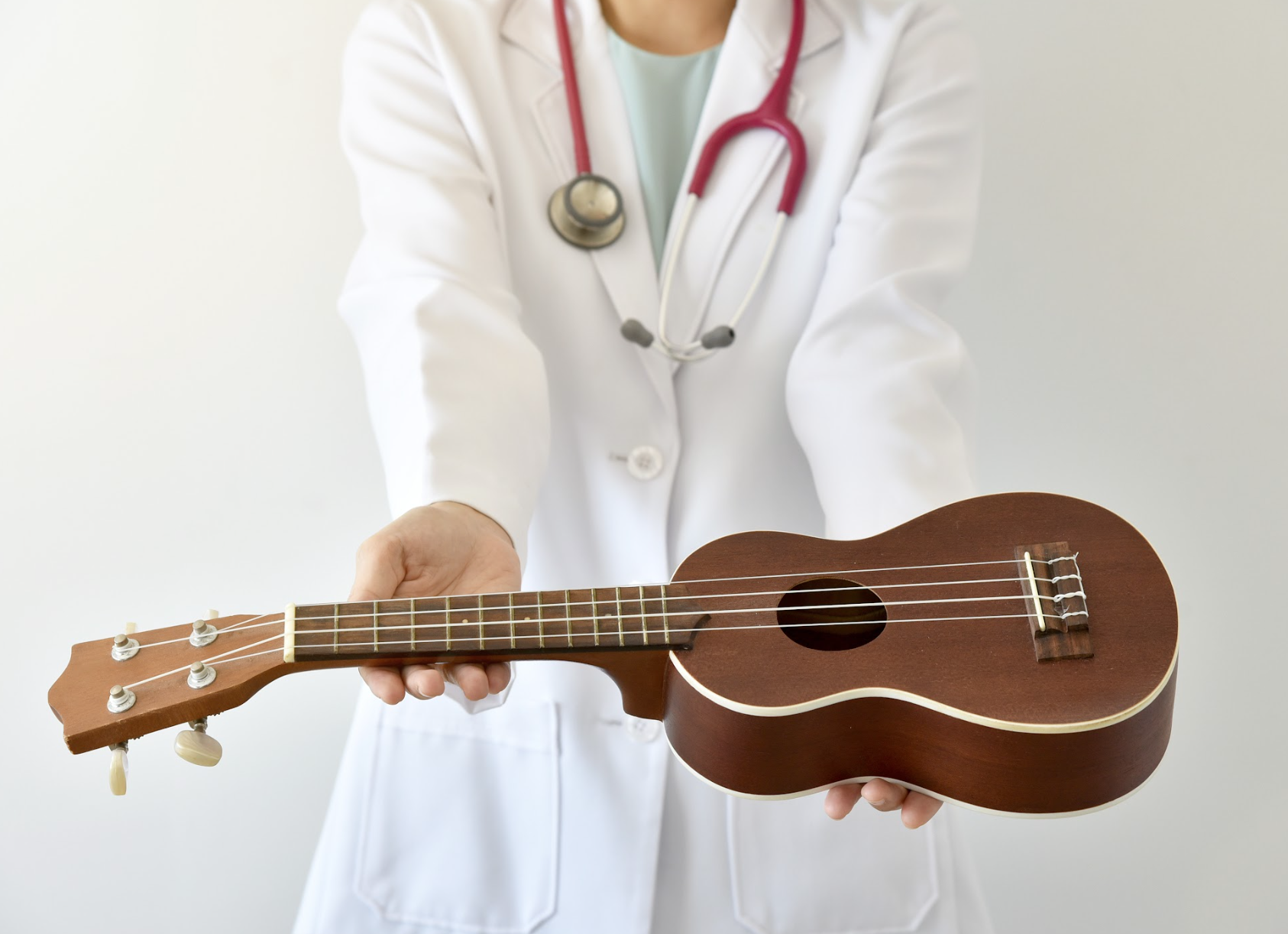
Trial Music Therapy For Free
To mark World Music Therapy Week, Neurolinks is inviting organisations and groups to experience music therapy in action through a limited number of complimentary small group sessions.
The sessions, designed for groups of six to eight participants, will offer a hands-on introduction to how music-based clinical work can support movement, communication and overall wellbeing in an engaging and supportive setting.
Places are limited and will be offered on a first come, first served basis.
For Dr. Cassidy, the hope is that greater public understanding will continue to grow.
“This is a clinical, evidence-informed field,” he said. “It is creative, but it is also structured and outcome-focused. And when people understand what music therapy actually is, they begin to see just how powerful it can be.”


